A project exploring nature taking back urban spaces. This series focuses on organic textures reclaiming concrete structures, rendered to highlight the passage of time.
In the art history world, the female nude has always been a popular subject matter but has too often been depicted with sexual and erotic overtones for the pleasure of the heterosexual male viewer. Today, the essential way of seeing women and how our images are used, has not changed and if we try to talk about masculinity,patriarchy or male privilege, the conversations are often derailed by accusations. The male experience is universal whilst the female is seen as niche.
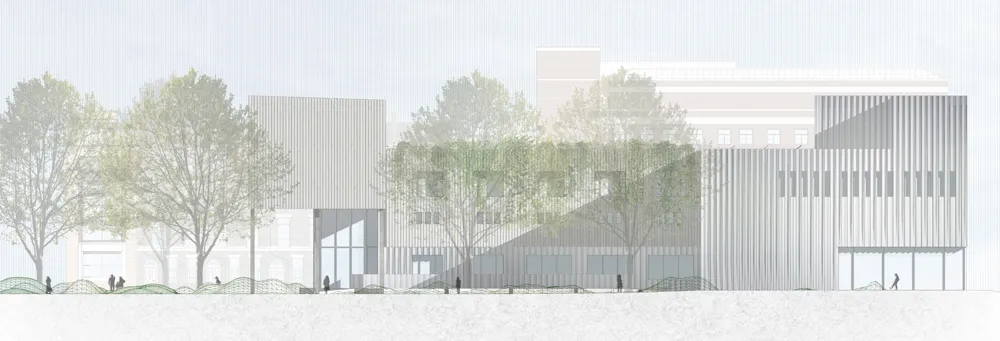
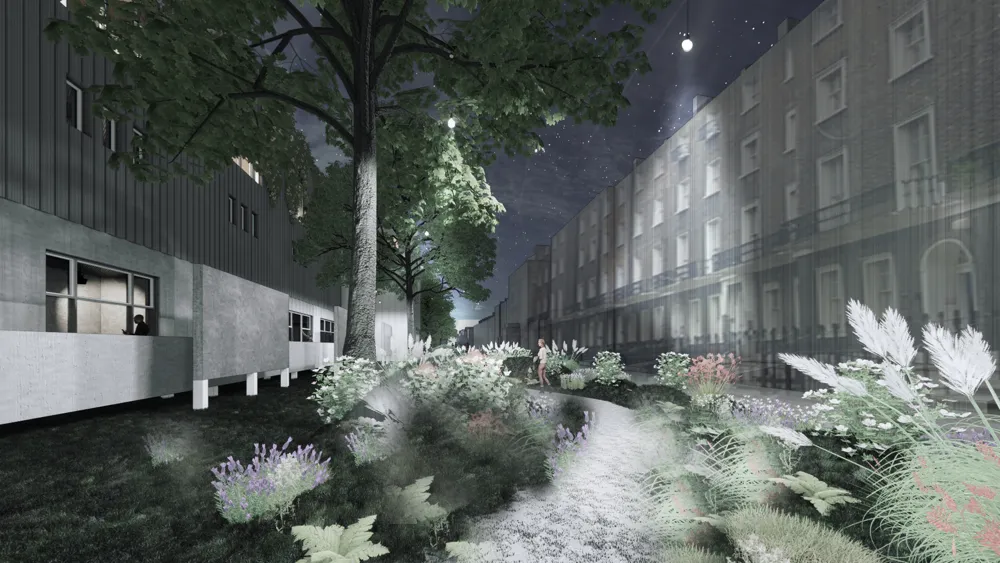
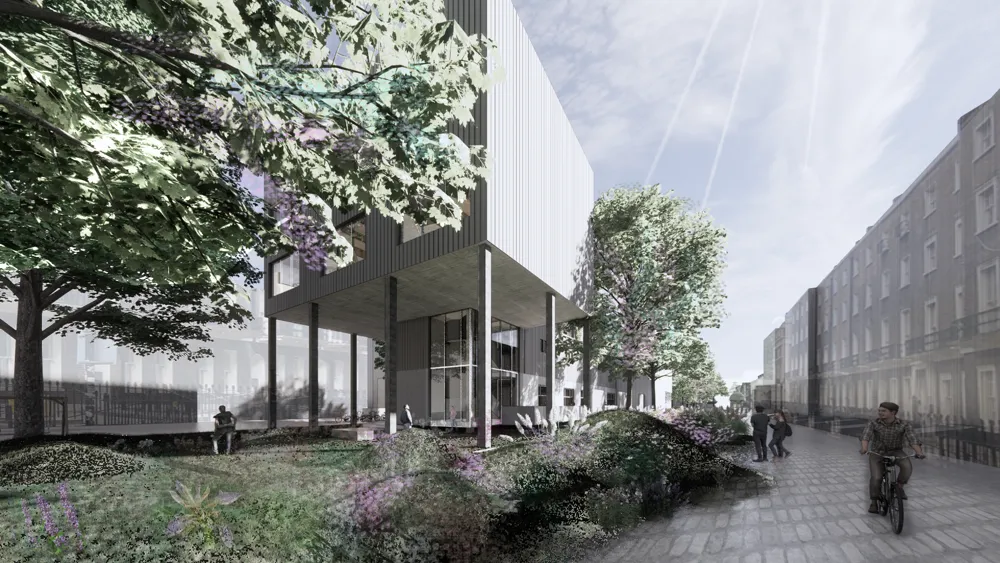
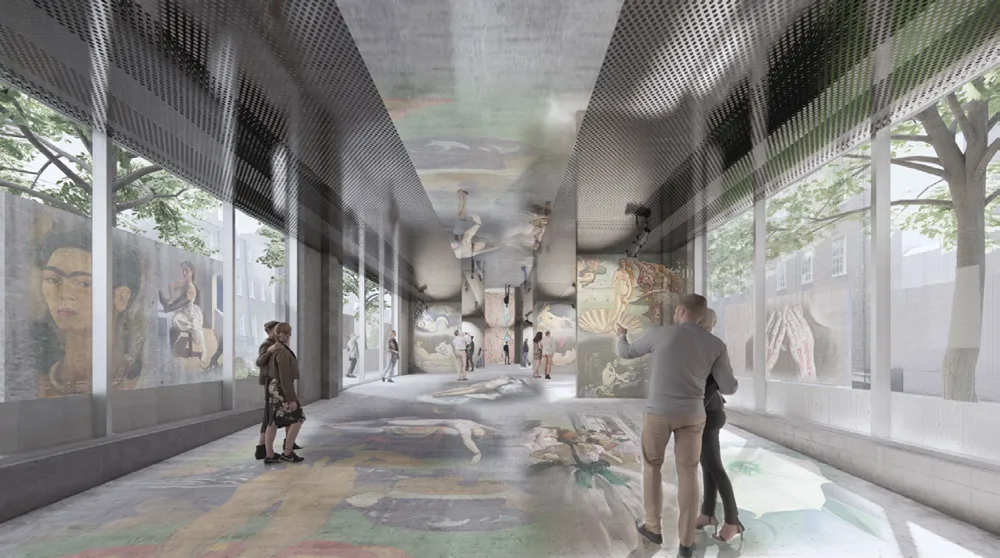
Reclamation proposes using art as an educational and therapeutic vehicle to address the history of the male gaze, the associated sexual objectification of women and sexual violence against women in London today. The scheme reclaims visual narratives, offering safe, nonjudgemental gallery and studio spaces where learning and recovery converge, providing a platform for the female perspective.
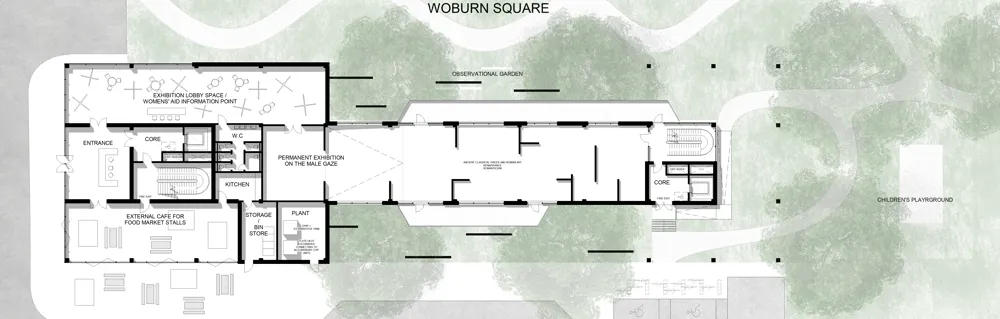
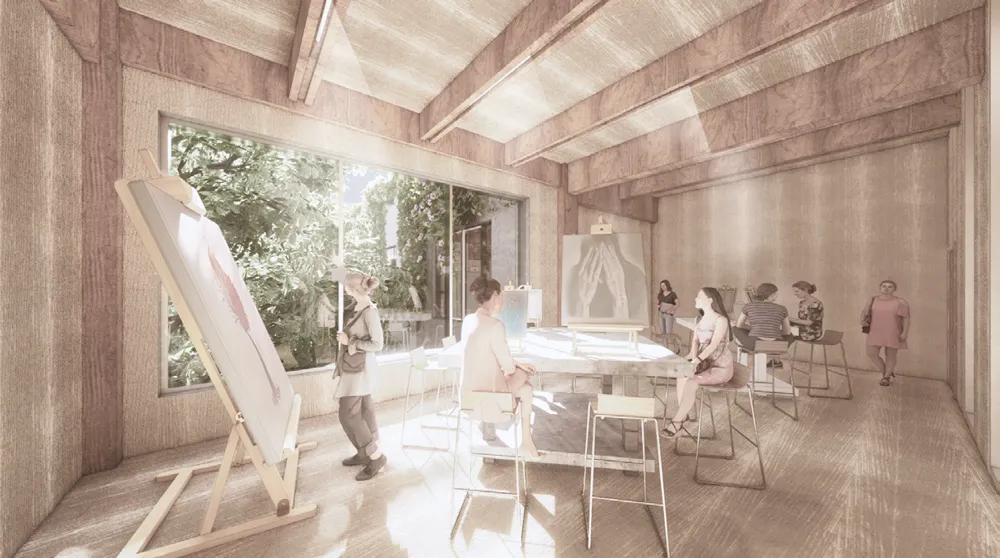
Set within Woburn Square, London, the building's design revolves around framing views,evoking the act of seeing from another’s perspective. At the lower levels, enfilade exhibition spaces guide visitors through a curated experience juxtaposing historical depictions of the male gaze with feminist artworks created in the therapy studios. The upper levels offer tranquil spaces, framing the surrounding tree canopy with expansive glazing. The materiality blends fluted Portland stone, reminiscent of the classical orders, with treated Siberian Larch that reflects the surrounding natural environment.
Interior spaces feature moveable walls that create depth and permeability, encouraging users to pause, recline, and engage with the cinematic displays. Mirrored ceilings enhance the spatial experience, creating a sense of infinity. Art therapy studios are designed as calming retreats, drawing inspiration from the treetops and natural light. The integration of nature promotes mindfulness and mental well-being, fostering creativity and healing through sensory immersion and connection to the present moment
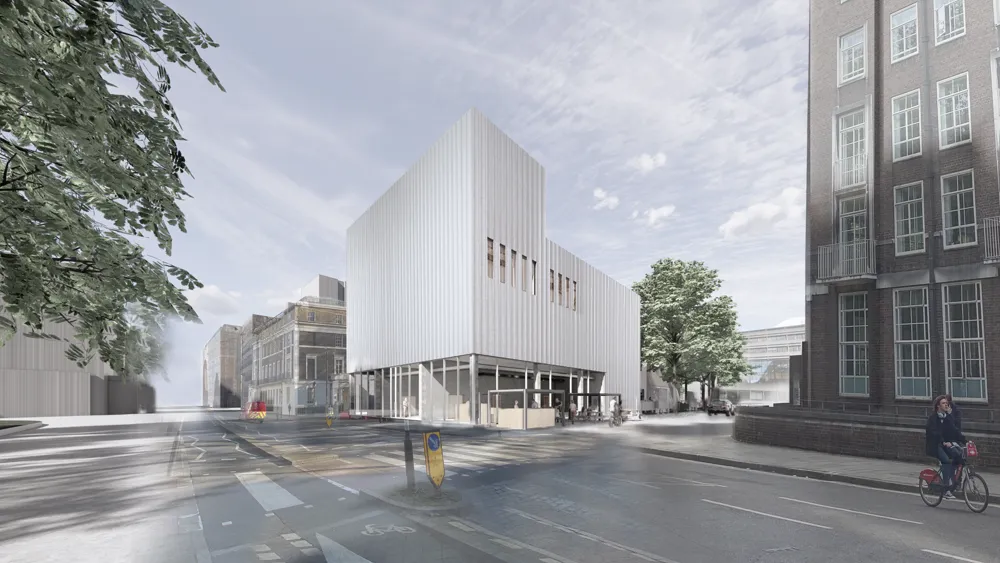
Visualisation for a proposed gallery space in London. The focus was on accurate artificial lighting simulation and visitor flow.
This project envisions a new home for the Migration Museum, currently based in Lewisham Shopping Centre, by co-locating it with Best Foot Music, a Brighton-based charity that supports migrants in the performing arts. The partnership is built on shared values of inclusion, education, and cultural exchange and together, these organisations can expand their reach and influence, offering an innovative hub for learning and storytelling in the heart of London
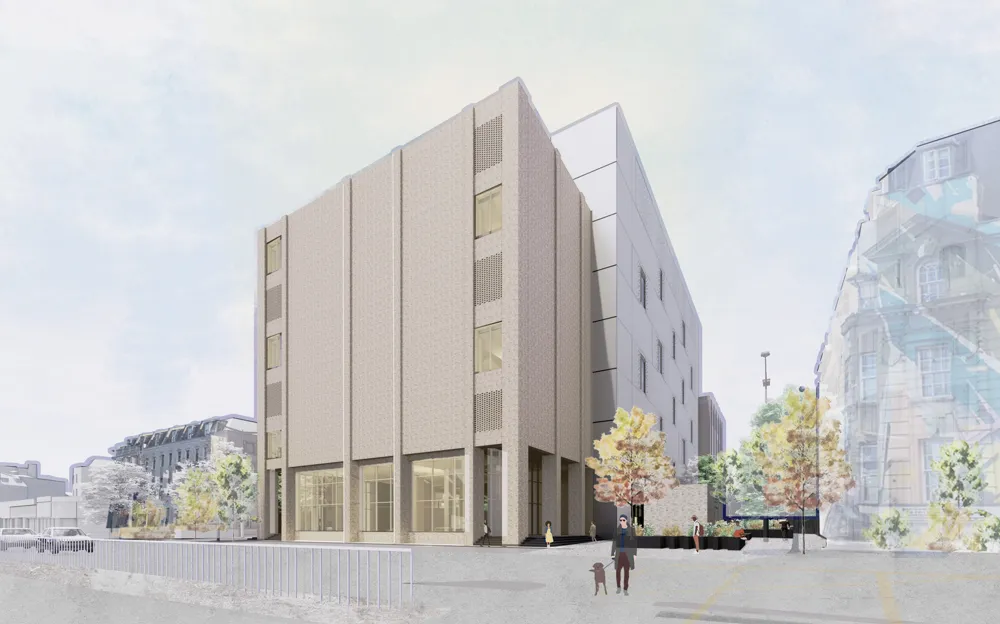
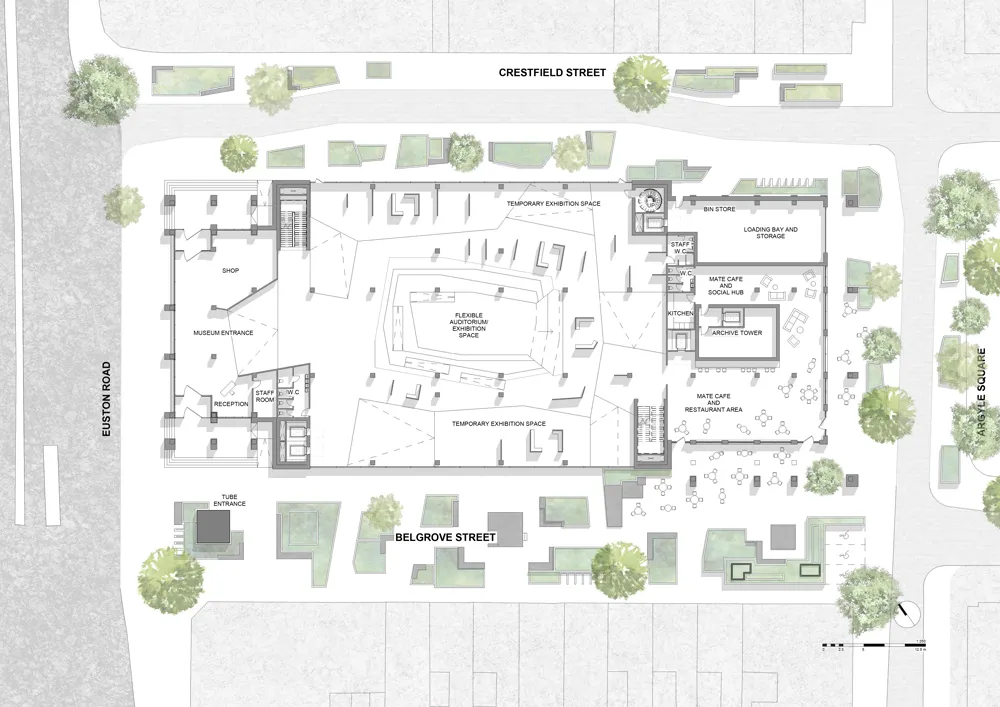
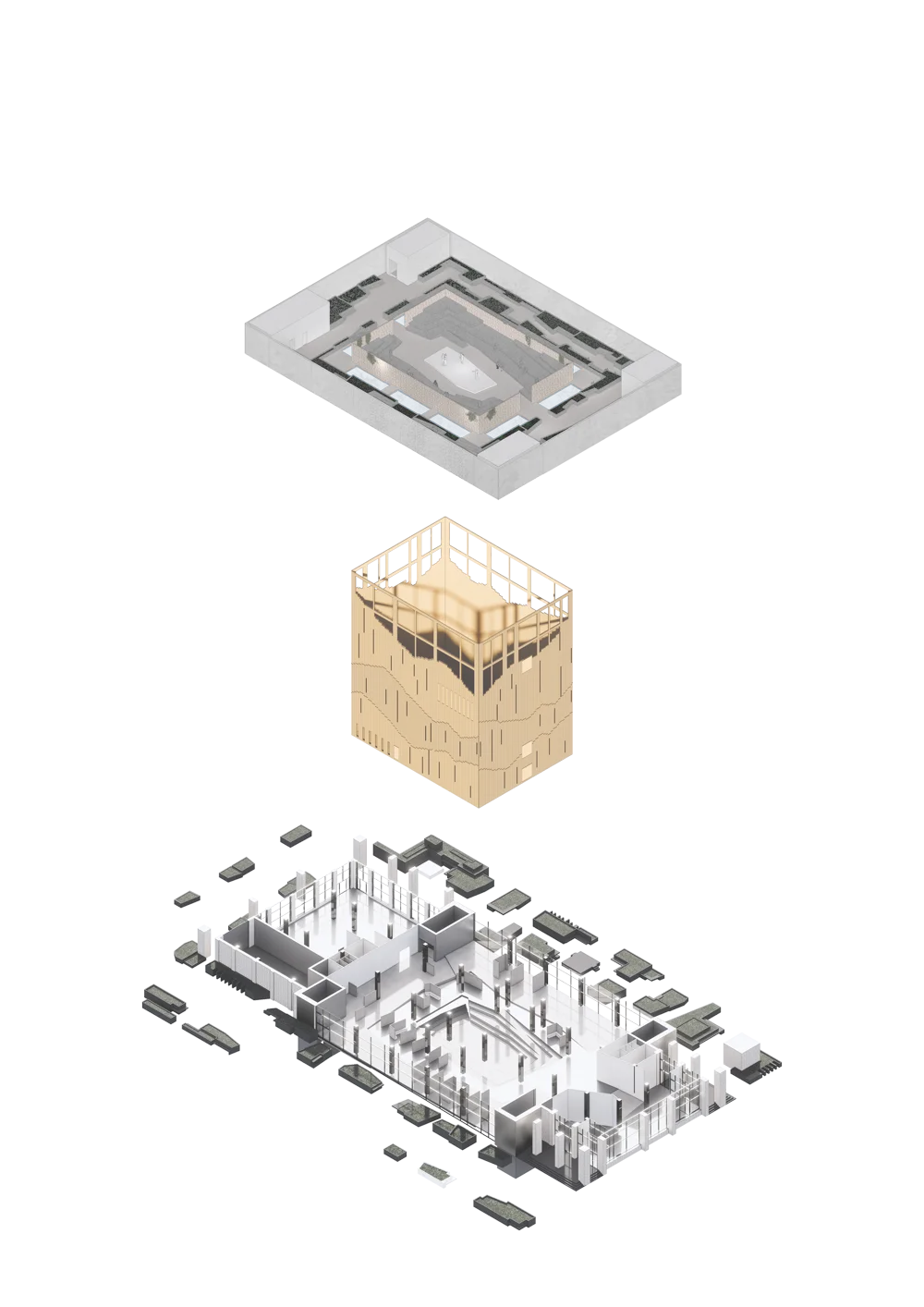
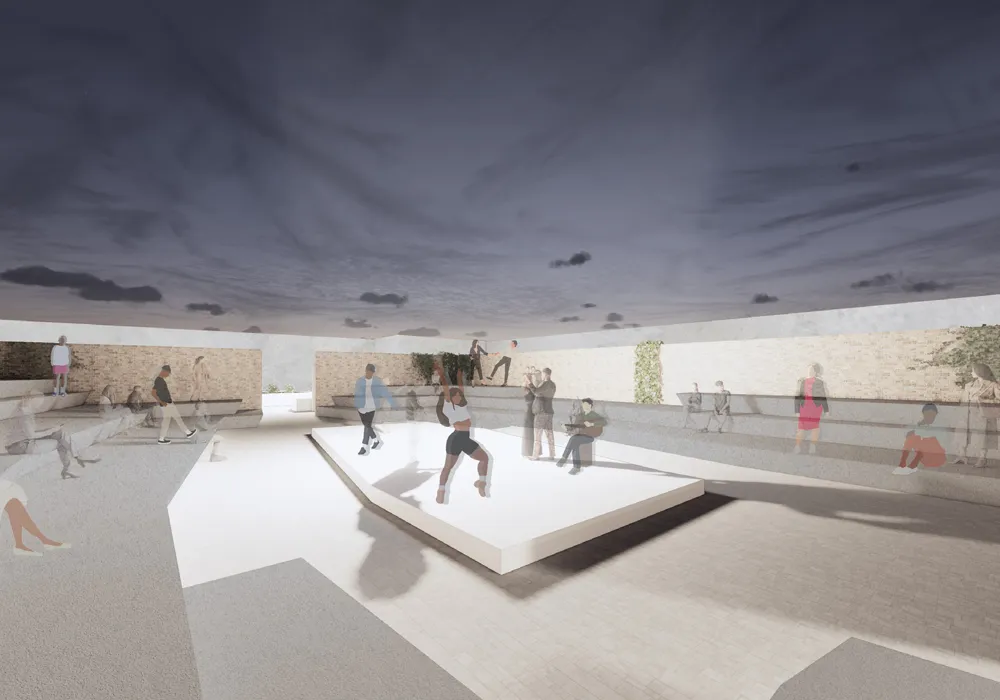
Belgrove House, located near King's Cross Station, is surrounded by institutions dedicated to intellectual and cultural growth. The proposal responds to this context by transforming Belgrove and Crestfield Streets into active extensions of the museum, creating a welcoming public realm for sharing stories and celebrating diverse cultural identities through music. Flexible seating arrangements, exhibition spaces, and stages for buskers turn the streetscape into a journey. The design carefully balances form and function, integrating a bold, dynamic façade that respects the historical context while asserting its contemporary identity. The rhythmic pattern of the façade reflects the movement of music, inviting curiosity and encouraging exploration.
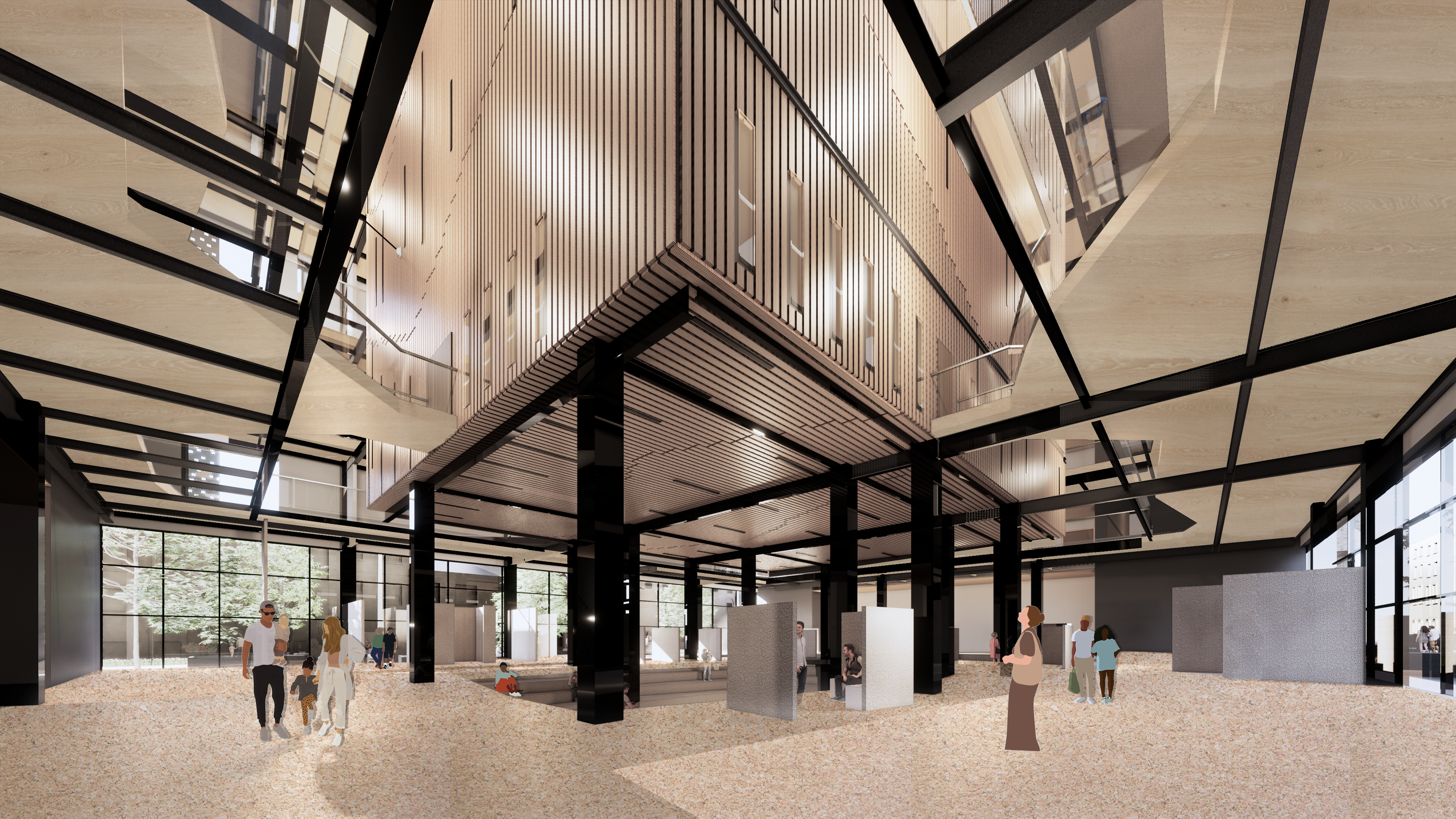
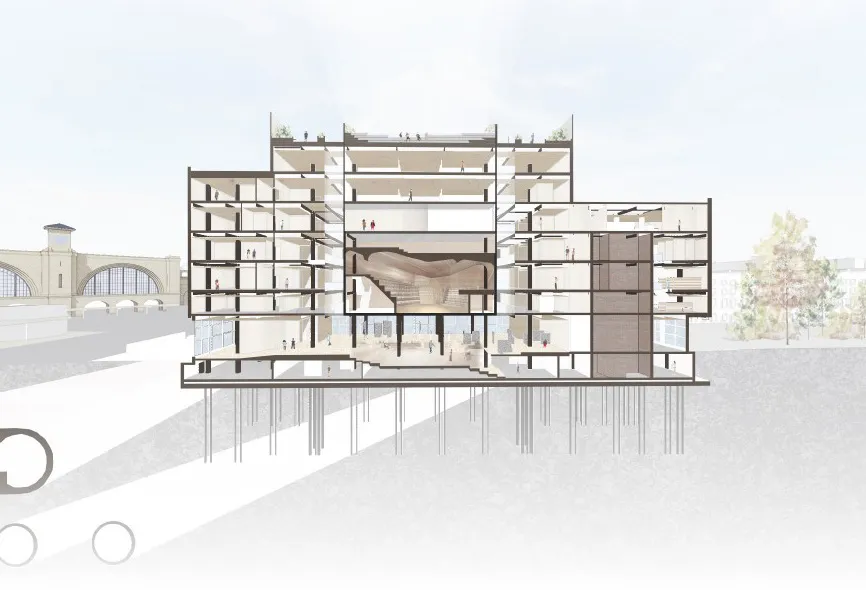
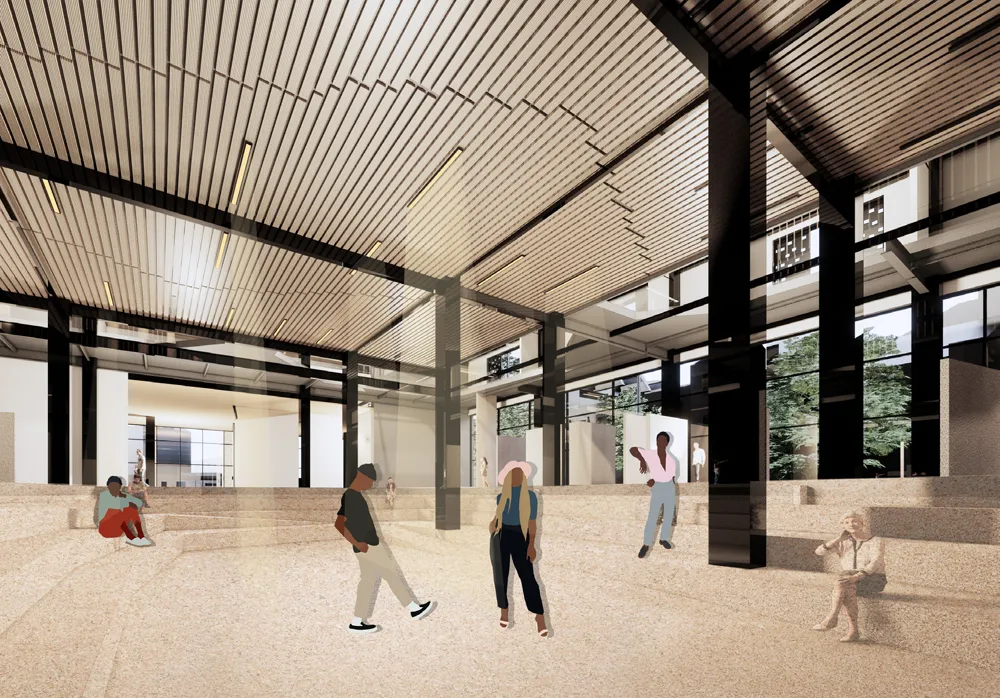
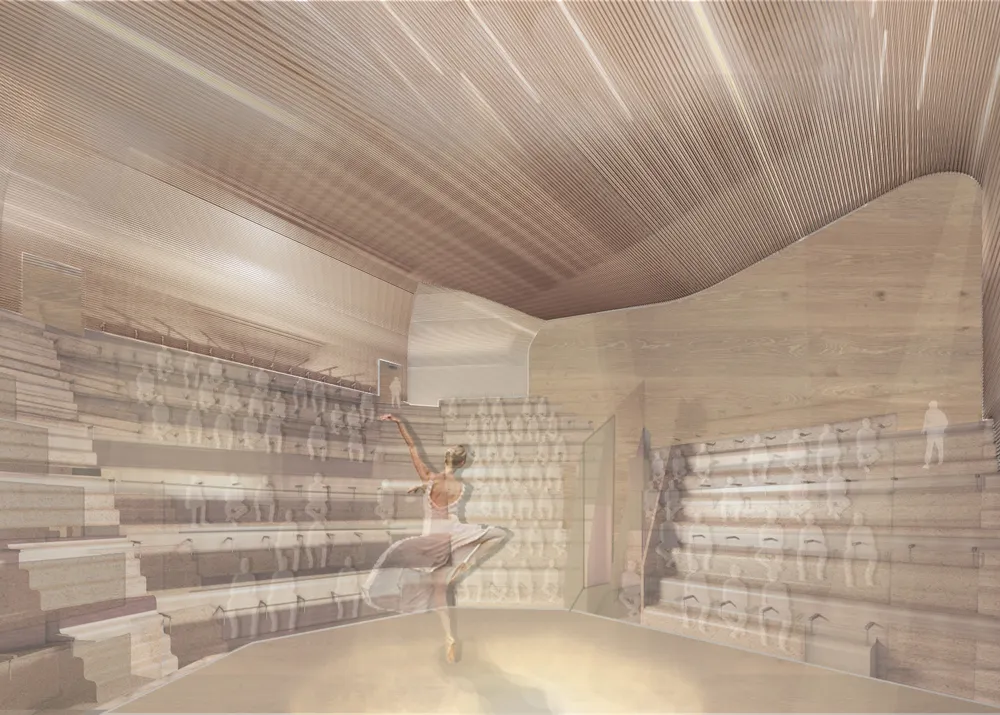
Music, central to both personal identity and collective experience, plays a pivotal role in shaping the design. It fosters community while allowing individuals to express their own stories and emotions. The museum’s core is dedicated to performance, offering a range of spaces that evoke different responses from their users. The ground floor is designed as a dynamic, undulating landscape that draws visitors into the heart of the building while remaining open to the public realm outside, dissolving the boundaries between indoor and outdoor experiences.
At the centre of the building, an acoustically refined auditorium sits elevated in a suspended box. This professional performance space draws the public in and, once inside, offers a fully immersive experience, isolating them from the outside world. In contrast, the rooftop performance area and bar act as a beacon over the surrounding streets. This lively, open-air venue creates a free, energetic atmosphere, appealing to 06 younger audiences and providing a space for informal performances and social gatherings.
In collaboration with Civil Engineer peers, this scheme reimagines the derelict IRT Powerhouse in New York into a vibrant community centre. The proposal celebrates the building's rich industrial heritage while integrating natural, green spaces to promote community engagement and well-being. At ground level, the design introduces community-led allotments, primarily aimed at educating schoolchildren about urban gardening and sustainability, alongside flexible activity spaces for the wider public.
A key feature of the design is a pair of internal suspended bridges, inspired by the dynamic diagonal sweep of Broadway. These elevated pathways guide visitors through the community centre, creating a journey that links various rooms and activity zones while offering new perspectives of the space. The bridges are designed with transparency and honesty, proudly displaying their structural components and reinforcing the ethos of openness, connection, and accessibility at the heart of the project.
The design strikes a balance between preservation and innovation - respecting the powerhouse's iconic industrial characterwhile transforming it into a dynamic hub for education, recreation, and community connection. By blending history with nature and modern infrastructure, the project reimagines the IRT Powerhouse as a new centre of urban life.
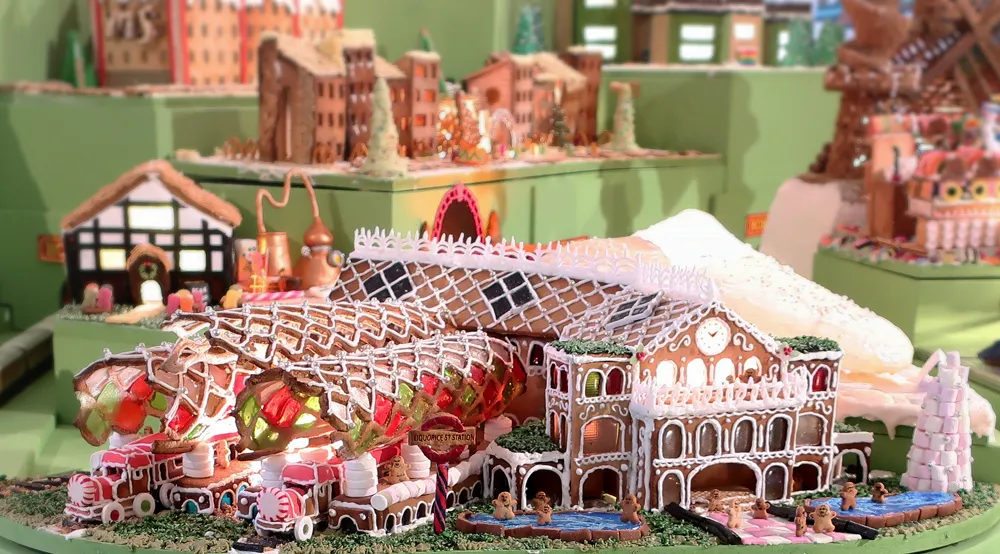
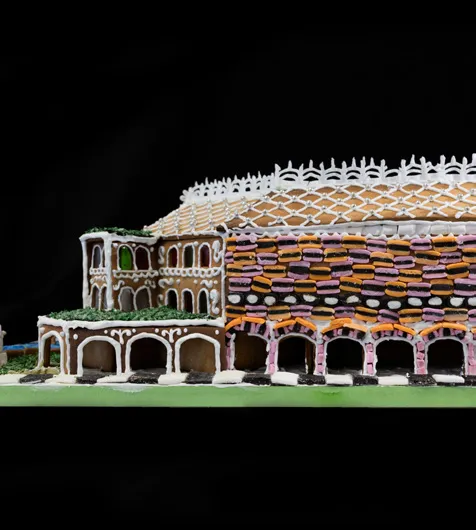
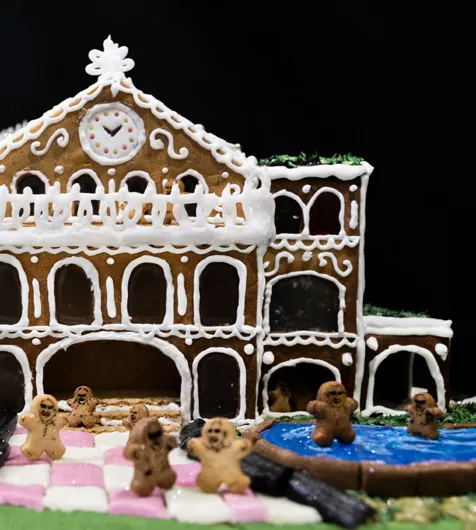
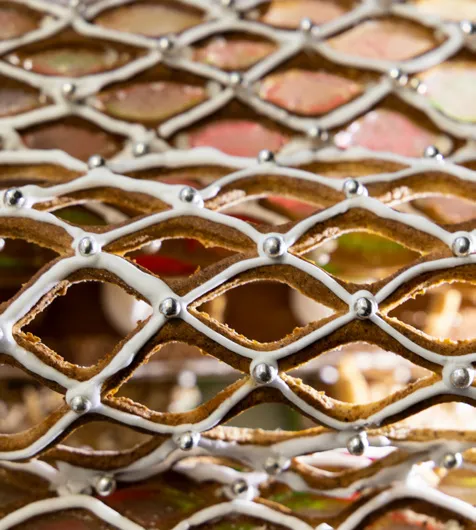
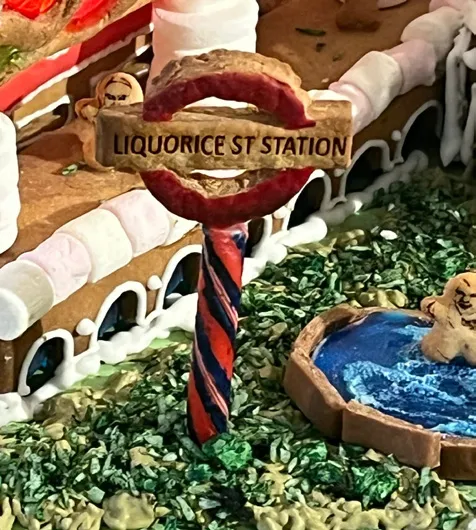
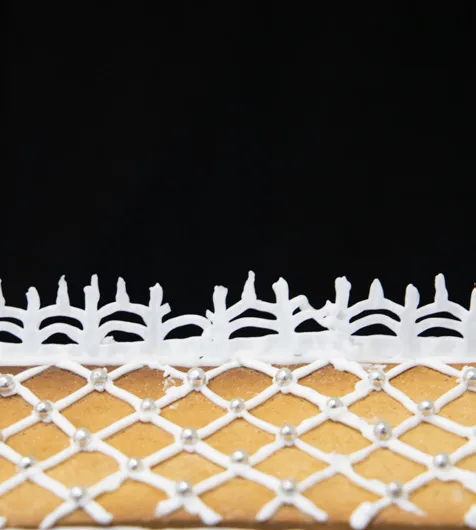
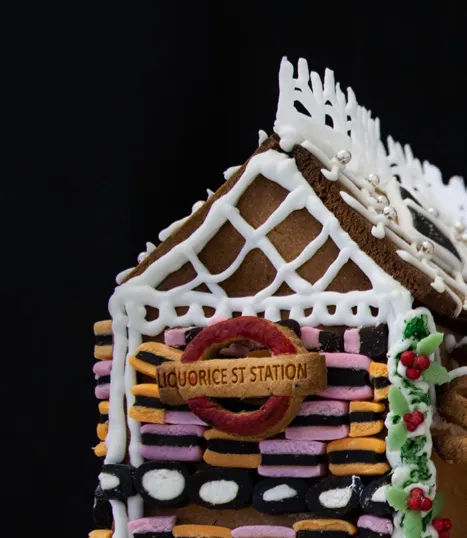
Gingerbread City Exhibition
A key feature of the design is a pair of internal suspended bridges, inspired by the dynamic diagonal sweep of Broadway. These elevated pathways guide visitors through the community centre, creating a journey that links various rooms and activity zones while offering new perspectives of the space. The bridges are designed with transparency and honesty, proudly displaying their structural components and reinforcing the ethos of openness, connection, and accessibility at the heart of the project.
The design strikes a balance between preservation and innovation - respecting the powerhouse's iconic industrial characterwhile transforming it into a dynamic hub for education, recreation, and community connection. By blending history with nature and modern infrastructure, the project reimagines the IRT Powerhouse as a new centre of urban life.